

Eight Markets Under One Roof
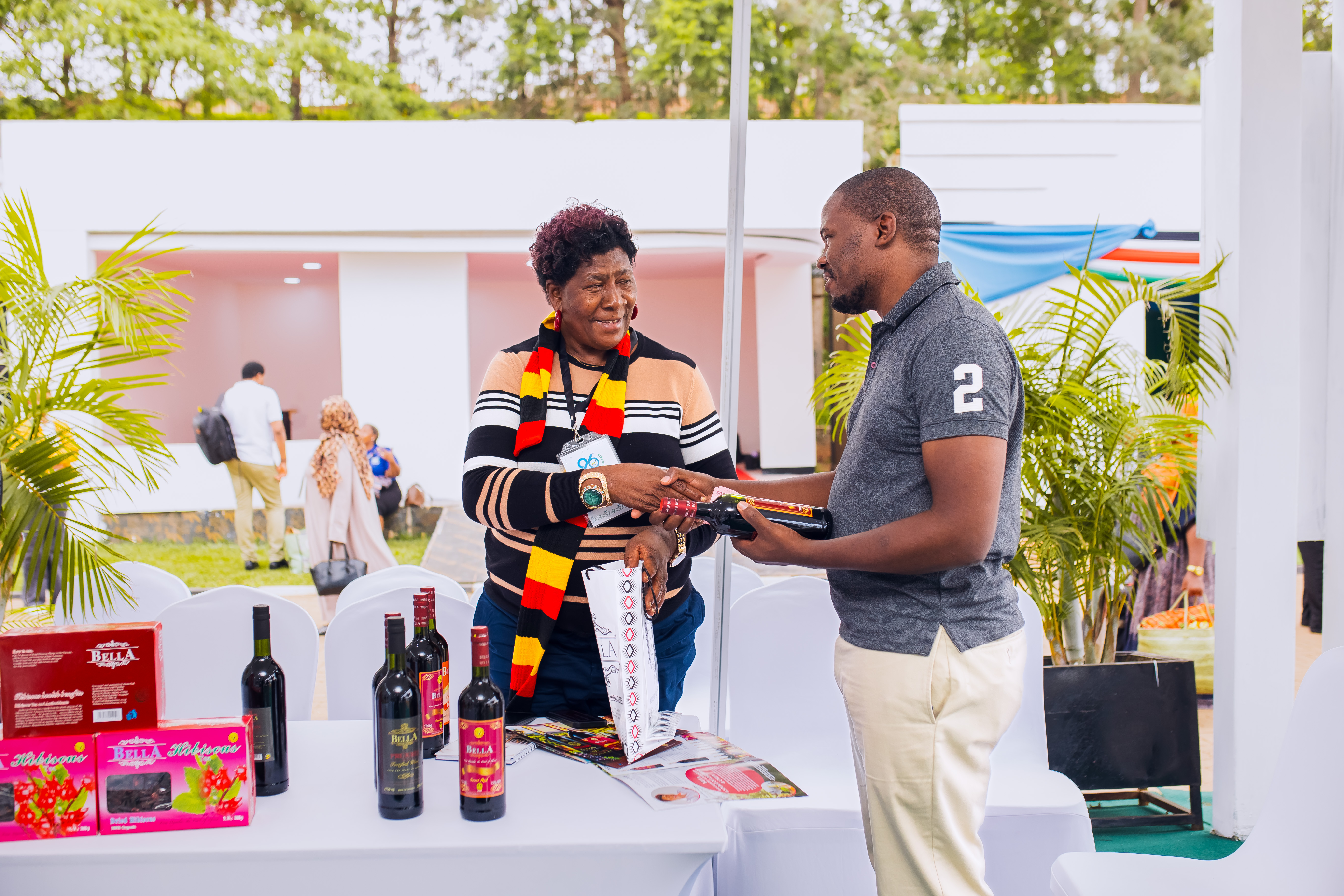
We spent the first week of November on the exhibition floor in Kigali, at the 26th EAC MSMEs Trade Fair, helping a handful of exhibitors get their stands right and their products in front of the cameras. That is the kind of work ZUCE Group does at fairs across the region, and we want to tell you what we saw there, because if you are weighing whether to put your product in front of an East African audience, what happened in Kigali should change your answer.
The fair has been running since 1999, when it started in Arusha as a handful of small-scale traders comparing notes. Twenty-six years on, it filled a conference centre in Kigali with 1,500 exhibitors from all eight EAC Partner States, with delegations from the African Continental Free Trade Area and the Southern African Development Community in the room too. If you have only ever sold within your own country's borders, that is the audience waiting for you here: eight markets under one roof, with the rest of the continent watching from the doorway.
Grouped by Sector, Not by Flag
This year, for the first time in the fair's history, the organisers grouped exhibitors by sector instead of by country. If you make leather goods, you stood among the region's other leather makers, the tanners, the shoemakers, the bag and belt producers, rather than being tucked into a national pavilion next to a textile stall and a coffee roaster. For an exhibitor, that single change matters more than the ribbon-cutting. It puts your real competitors and your real partners in the same aisle, which is the whole point of showing up in the first place.
Ms Annette Ssemuwemba, the EAC's Deputy Secretary General for Customs, Trade and Monetary Affairs, said as much from the stage:
"We are moving from showcasing products primarily by country to connecting businesses by sector, from individual national exhibitions to opportunities for regional collaboration, and from displaying products to creating stronger regional value chains."
Ms. Annette Ssemuwemba, EAC Deputy Secretary General for Customs, Trade and Monetary Affairs
We watched that play out on the ground. Buyers walked the fair by category rather than by flag, and the exhibitors we worked with who had built their stands around their product, not their national branding, were the ones getting stopped. Ms Ssemuwemba put the ambition behind that shift in one line later in her remarks, about a shoe tanned in one country, stitched in another and sold in a third:
"A shoe that is turned in one partner state, stitched in another, sold in a third is not only an East African product, it's an African product waiting to happen."
Ms. Annette Ssemuwemba, EAC Deputy Secretary General for Customs, Trade and Monetary Affairs
What the Numbers Are Doing For You
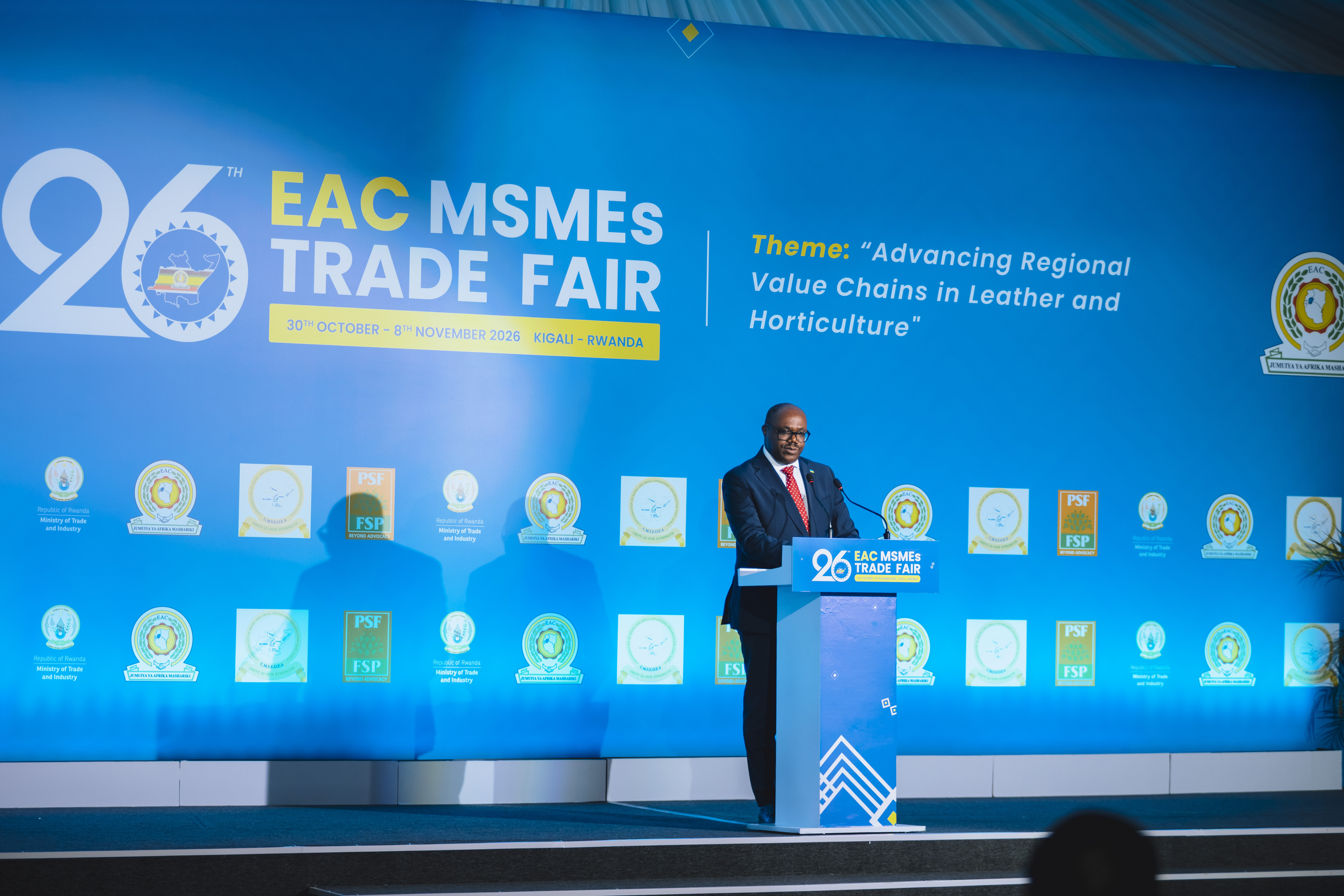
Rwanda's Prime Minister, Dr Justin Nsengiyumva, opened the fair, and the line of his that stayed with us all week was this:
"Our economies are linked and our markets are complementary. We go further by moving together."
Rt. Hon. Dr. Justin Nsengiyumva, Prime Minister of the Republic of Rwanda
He also told a story about his own country's exhibitors that we think about every time someone asks us whether people will actually buy from them once they get into a new market. Rwandan shoemakers at the fair told him they could produce six thousand pairs of shoes a year, for a country of fourteen million people. Avocado oil producers told him they could manage a thousand litres a year. He was blunt about what that meant:
"We want these MSMEs to grow up, we want you to be billionaires and we are here to help."
Rt. Hon. Dr. Justin Nsengiyumva, Prime Minister of the Republic of Rwanda
The shoes were good. The oil was good. What those producers were short of was a way to reach more than a few thousand customers, and a name that travelled past the factory gate. That is exactly the gap a fair like this exists to close, and it is usually the gap that decides whether a product stays a local favourite or becomes a regional one.
The region is also making that gap easier to close than it used to be. The EAC's Single Customs Territory has cut cargo transit time from eighteen days to four. Border crossing times for small traders are down by as much as seventy percent. Exports from the EAC to the rest of Africa have grown 44 percent, to USD 7.2 billion. Rwanda alone is aiming for 250,000 new jobs a year and plans to grow its non-traditional exports, horticulture among them, from USD 1.4 billion to USD 3.2 billion within five years. None of that guarantees a sale, but it does mean the cost of trying has come down faster than most exhibitors realise.
Where We Come In
Here is where we can actually help, rather than just report back on what we saw. Over the three days, we repositioned the stands for a few of the exhibitors we were working with, so the product was the first thing a buyer noticed walking down the aisle instead of the signage behind it, and introduced two of them to a regional trade journalist who is still following up with them now. That is the work ZUCE Group shows up to do at every fair: get the right buyers to stop walking, and get the right people writing about what they find once they do.
Our Advice, If You're Still Deciding
So if you are still deciding whether East Africa is worth a booth fee and a flight, our answer is yes, but go in with a stand built for the sector aisle you will stand in, not the country pavilion you are used to, and with a plan for the story that follows you home once the tents come down. That second part, the story, the photography, the introductions that outlast the show floor, is where most exhibitors run out of time and budget. It is also where we spend most of ours.